
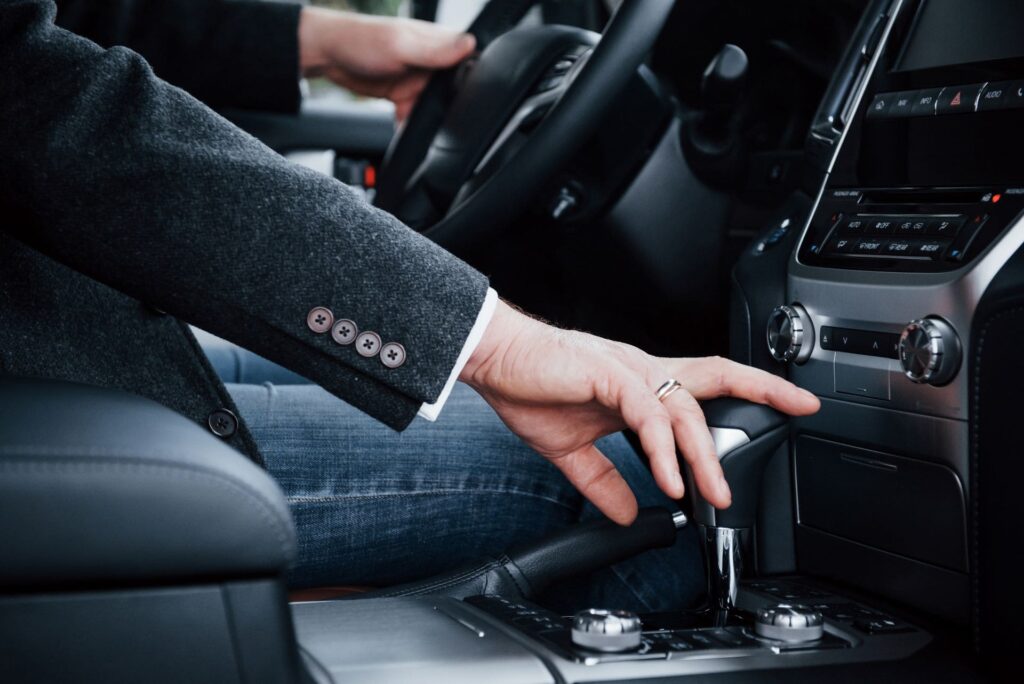
When you’re preparing to learn how to drive in the UK, one of the first decisions you’ll need to make is whether to learn in a manual car or an automatic car. Both have their advantages and disadvantages, and your choice could affect how long it takes you to pass your test, your overall driving experience, and even the types of vehicles you’ll be able to drive after passing your test.
In this blog, we’ll break down the key differences between manual and automatic driving lessons and help you decide which is best for you.
1. The Key Differences Between Manual and Automatic Cars
Before you decide which type of lesson to take, it’s important to understand the difference between the two types of vehicles.
Manual Cars:
- Gear Stick: In a manual car, you need to shift gears manually using a gear stick. This requires coordination between your hands, feet, and the vehicle’s engine.
- Clutch Pedal: In addition to the accelerator and brake pedals, manual cars have a clutch pedal that you use to disengage the engine when changing gears.
- Driver Involvement: Driving a manual car requires more input from the driver, especially in terms of gear changes and clutch control.
Automatic Cars:
- No Gear Stick: In an automatic car, the car will shift gears on its own. The driver only needs to control the accelerator and brake pedals.
- Easier to Drive: Automatic cars are generally easier to drive because there is no need to worry about changing gears manually. This makes them particularly popular in urban environments where traffic can be heavy.
2. Advantages of Manual Driving Lessons
While automatic driving lessons are gaining in popularity, manual driving lessons still offer several advantages. Let’s take a look at why learning to drive a manual car might be the right choice for you.
1. Ability to Drive Both Manual and Automatic Cars
Once you pass your manual driving test, you’ll be allowed to drive both manual and automatic cars. In contrast, passing an automatic driving test only qualifies you to drive automatic cars. If you think you might want to drive a manual car in the future (e.g., rental cars or driving a friend’s vehicle), learning in a manual car is the better option.
2. Better Control Over the Vehicle
Manual cars offer better control in certain driving situations. For example, on hilly roads, manual cars can provide more engine braking, which allows you to maintain better control when descending or climbing a hill.
3. Cost of Lessons and Cars
In the UK, manual cars are generally cheaper to buy and maintain compared to automatic cars. The cost of manual driving lessons might also be slightly lower than automatic lessons.
4. Improved Driving Skills
Learning to drive a manual car can help you develop better driving skills and coordination. It’s considered a more involved driving experience, which many drivers feel provides a deeper understanding of the car and its capabilities.
3. Advantages of Automatic Driving Lessons
For many learners, automatic driving lessons are the preferred option due to their simplicity. Let’s explore the advantages of automatic lessons and why they may be the right choice for you.
1. Easier to Learn
Automatic cars are much simpler to operate because you don’t have to worry about shifting gears or using the clutch. This means you can focus more on driving safely and less on coordinating gear changes.
2. Less Stressful
If you’re feeling nervous about your driving lessons, an automatic car can be less stressful to learn in. The simplicity of not having to deal with gears allows you to concentrate on road awareness, steering, and safe driving habits.
3. Ideal for Urban Areas
If you live in a busy city like Cambridge, you might find that automatic cars are better suited for stop-and-go traffic. With fewer gear shifts and no need to use the clutch, automatic cars make it easier to drive in heavy traffic or on long commutes.
4. Faster Learning Experience
Because automatic cars are easier to drive, many learners tend to pass their tests faster in an automatic car. For some, automatic lessons can result in fewer lessons and a quicker overall learning experience.
4. Which Option Is Right for You?
Choosing between manual and automatic lessons comes down to your personal preferences, driving needs, and long-term goals. Here are a few factors to consider when making your decision:
- Long-Term Driving Plans: Do you want to be able to drive both manual and automatic cars? If so, manual lessons are the better option.
- Driving Environment: If you live in an area with heavy traffic, automatic lessons may be more practical. On the other hand, manual cars provide more flexibility in rural or hilly areas.
- Learning Speed: If you’re worried about the complexity of learning to drive, automatic lessons offer a faster and less stressful learning experience.
5. Conclusion: Take the First Step Today
Whether you choose to learn in a manual or automatic car, both options have their benefits. At Royal Driving Academy, we offer manual and automatic driving lessons in Cambridge, tailored to your individual needs. Our experienced instructors are here to guide you every step of the way, ensuring that you pass your driving test with confidence and ease.
Book your driving lessons with us today and get started on the road to success.