
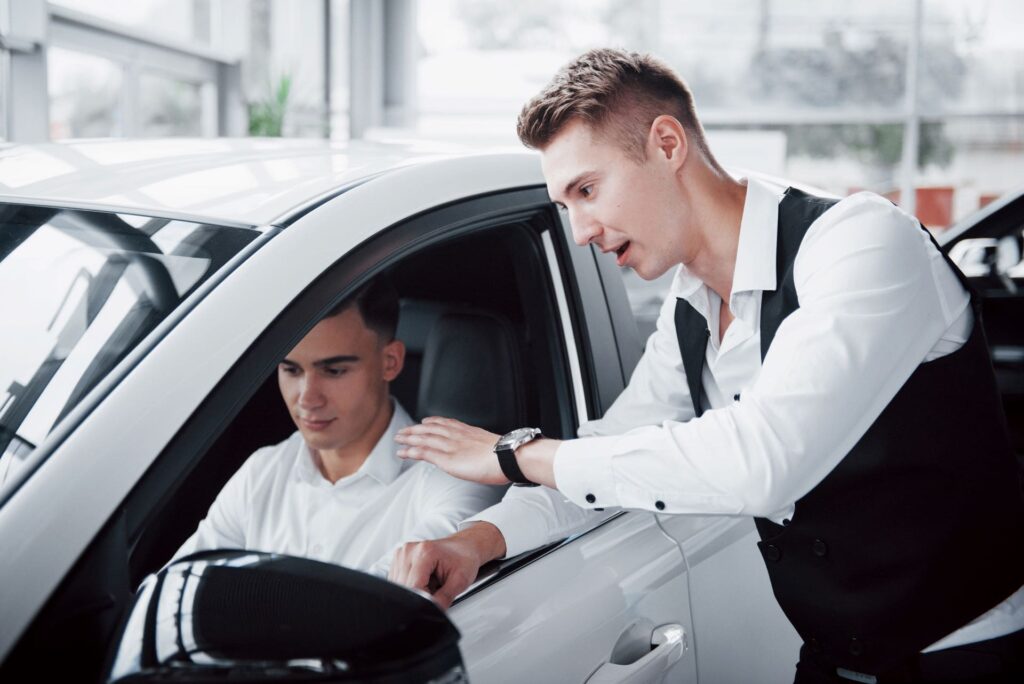
If you’re a beginner driver about to take your first driving lesson, you likely have a lot of questions. What should you expect? How can you prepare? And what are the essential things you’ll need to bring with you? Whether you’re learning to drive in Cambridge or anywhere in the UK, starting your driving journey on the right foot is crucial for building confidence and ensuring a smooth learning experience.
In this blog, we’ll guide you through everything you need to know before your first driving lesson, from what to bring to what you’ll do during the lesson.
1. Why Your First Driving Lesson Matters
Your first driving lesson is more important than you might think. It sets the tone for your entire learning experience and gives you the opportunity to start familiarising yourself with the vehicle and basic driving techniques. Whether you’re learning on a manual or automatic vehicle, the skills you develop early on will be essential for mastering more complex driving tasks later.
What to focus on during your first lesson:
- Building Confidence: It’s natural to feel nervous, but your instructor is there to guide you. Starting strong with simple tasks like adjusting your seat and mirrors will build your confidence.
- Learning Basic Vehicle Controls: You’ll be introduced to the pedals, steering wheel, gears (for manual cars), and basic functions like the indicators, windscreen wipers, and lights.
2. Documents and Gear You Need
Before you get behind the wheel, there are a few essential items you’ll need to have in hand. Let’s make sure you’re well-prepared for your lesson.
Provisional Licence
- To legally drive in the UK as a learner, you must have a provisional driving licence. You should apply for this before your first lesson. If you don’t have one yet, visit the DVLA website to apply online. The provisional licence costs £34 and is valid for 10 years.
Driving Glasses or Contact Lenses
- If you need glasses or contact lenses to drive, make sure to bring them with you for your first lesson. This is a legal requirement to ensure you can see the road signs, other vehicles, and pedestrians clearly.
Comfortable Clothes and Shoes
- Wear comfortable clothes that don’t restrict your movement. It’s important that you can easily operate the vehicle’s controls.
- Avoid wearing high heels or flip-flops as they can make it difficult to press the pedals. Opt for shoes with a flat sole for better control of the pedals.
3. What Happens On Your First Lesson
On your first lesson, your instructor will take you through the basics and introduce you to the vehicle. Here’s a step-by-step overview of what you can expect:
Seat and Mirror Adjustment
- Before you start driving, your instructor will help you adjust the seat, mirrors, and steering wheel to ensure you’re comfortable and have full visibility.
Vehicle Controls Introduction
- You’ll learn how to operate the pedals (accelerator, brake, and clutch if driving manual), gear stick, and other essential controls such as indicators, headlights, and windscreen wipers.
First Basic Driving Skills
- The first driving lesson often starts with moving off and stopping safely in an empty parking lot or a quiet road. This will help you get used to the car’s response to acceleration, braking, and steering.
- You might also practice turning the wheel and steering while moving in a straight line.
The goal of your first lesson is to get comfortable with the car and build the basic skills needed to control it.
4. How to Prepare Mentally and Practically
Mental preparation is just as important as physical preparation when it comes to learning to drive.
Confidence Building
- Believe in Yourself: It’s normal to feel nervous about driving for the first time, but don’t let fear hold you back. A positive attitude and focus on the task at hand will help you progress faster.
- Trust Your Instructor: Your instructor is a professional, and their job is to guide you through each step of the process. If you don’t understand something, ask them to explain.
Sleep and Nutrition Before the Lesson
- A good night’s sleep is essential for staying alert during your lesson. Avoid feeling tired or distracted, as it can affect your ability to focus on the road.
- Eat a light meal before your lesson to maintain energy, but avoid heavy meals that could make you feel sluggish.
5. After the Lesson — What to Do Next
Once your first lesson is over, you’ll want to reflect on your experience and plan your next steps.
Reflection
- Take a moment to think about what you learned. What went well? What would you like to improve? Discuss this with your instructor to help shape future lessons.
Plan Future Lessons
- After your first lesson, your instructor will provide guidance on how to proceed. Most learners need multiple lessons to become comfortable on the road. Plan to schedule regular lessons to continue building your driving skills.
Your first driving lesson in Cambridge is an exciting step toward gaining your driving licence. With the right preparation, a positive attitude, and expert guidance from a qualified instructor, you’ll be well on your way to becoming a confident driver. Remember, every driver starts as a beginner — so take your time and enjoy the learning process!
Book your first lesson today at Royal Driving Academy and take the first step toward mastering the road in Cambridge.